The Video Game Characters that are Most Important to Me

Characters are the basis of just about any form of fiction. The characters are how you see the world, what drives events forward, and create the tense emotional stakes of just about any story. Video games have an interesting take on character because not only are they how you see the world, they’re how you interact with it. They’re quite literally the conduit that allows the player to affect and change the virtual world they find themselves in.

Naturally, with the huge amount of video games I’ve played, there will be some characters that stand out to me above the rest. There will be those characters that I connected with on a level that is so meaningful to me, I had to talk about it here. They could be anyone, a playable character, a companion, a rival, as long as they mean something important to me, then they made the list.

SPOILER WARNING

I don’t do these very often because I assume you already know there’s going to be spoilers on a list like this. However, this is one of those cases where I really want to emphasise that if you haven’t played any of these games and want to, then you absolutely should do so before reading this list. The stories will still be incredible, but it’s just different when you go in blind. You have been warned.

13 – Wario – Super Mario Franchise

This list is going to get deep later on, so let’s start off with a fun one.

Wario is…Mario but better and more fun. Where Mario is upbeat and always doing what’s right, Wario isn’t afraid to reach his goals by any means necessary. He’s presented as being evil quite a lot of the time, but really, he just lets his greed get the better of him. When we get to spend time alone with Wario, we see he’s more mischievous than evil, and the poor guy can never seem to catch a break.

I realise those are many of the same reasons as to why people love Wario’s counterpart, Waluigi, but I’ve always preferred Wario. This is partly because I think he has a more fun personality, but also for nostalgia-based reasons. The original Game Boy was the first gaming device I ever owned, and two of the games I played to death on that console were Wario Land & Wario Blast, so I’ve always loved Wario.

This one really isn’t that deep; I just think he’s a lot of fun.

12 – Shulk – Xenoblade Chronicles

Yes, I get it; he’s the one that everyone always jokes “who?” on the Smash Bros roster, but y’all just need to play one of the best JRPGs ever made.

Protagonists are always an easy choice for lists like this. They’re the character that you’ll likely be spending tens, if not hundreds of hours with as you play through a game. It’s almost impossible to spend that long with a character and not bond with them. So you’re going to be seeing a lot of protagonists on this list.

Shulk is an interesting choice because, as a whole, he’s a pretty straight-up hero. There are no complicated wrinkles about his morality or some dark secret he has to hide. He’s a good person who does good things for good reasons. Normally, I can’t stand that kind of hero because I’m a bastard. I like my characters to have layers, but there’s something about Shulk that is so incredibly genuine that I just can’t help but love the guy.

He’s just kind to people and will stand up for what he believes in. What more do you really need from a hero? He’s loyal to his friends and is entirely unashamed about how he always strives to do the right thing. It’s not super overbearing like he’s laying it on thick; his kindness feels highly authentic. He hits the nail on the head in terms of the philosophy of a good person. He just does what he does because it’s the right thing to do. Without witness, without reward – to borrow a quote from Doctor Who.

11 – Tressa – Octopath Traveler

Not the only Octopath Traveler character to appear on this list, Tressa represents the kind of people I love to have in my life.

There’s something about Tressa which is so unabashedly hopeful. This can lead her into trouble at times, and she is a little headstrong. However, her optimism and the joyful eyes through which she sees the world is the kind of traits that I’m always looking to have more of in my life; either through myself or those around me. Her desire to trust people and bond with them is something I’ve tried to emulate within myself in recent years, and it’s made me grow to love Tressa as a result.

On top of that, she’s deceptively clever. Her abilities as a merchant are second to none, being able to judge not just the monetary value of items, but their sentimental value too, as seen by the fact she picks the diary of all things when faced with countless valuable treasures. She’s surprisingly quick-witted in a pinch, too, being able to devise clever plans to outwit her opponents and being quite successful with such tactics.

Her youth, innocence and optimistic outlook draw me to her and fill me those same emotions, while her intelligence and wit make her an extremely strong person to aspire to be like.

10 – Claude – Fire Emblem: Three Houses

(From my Fire Emblem: Three Houses Characters Ranked list)

Claude is just pure and good and everything that’s right with the world.

I alluded to it in the previous entry, but here I can say that the Golden Deer route was absolutely my favourite and that’s largely thanks to Claude. Unlike the other two house leaders, whom I grew to like once getting to know them better, I instantly took a liking to Claude. Not only does his attitude stand in stark contrast to the formalities and nobility of the other two, but it was clear from the start he had an extremely keen mind; plus he uses a bow, which makes him cooler by default.

What really makes me love Claude so much is his drive to always do good by as many people as he can, but he doesn’t do it because “it’s a noble’s duty” or “for the good of the world” he does it because he believes that it is truly the right thing to do and he will stand by his convictions to the death. Despite having the tactical genius to wipe out armies with barely any effort, he instead focuses his tactics on extinguishing as few lives as possible. On top of that, I align with his idealistic goal of tearing down the borders and unifying the world more than I do any of the other leader’s goals.

His attitude is always upbeat and cheery, but he also doesn’t let anything get by him and while he may seem like he trusts easily, it becomes clear that it isn’t the case the more time you spend with him. He clocks onto the fact that The Church of Seiros is hiding something a lot quicker than anyone else and is even able to deduce Flayn & Seteth’s true identity, something that no-one else is able to figure out.

When he’s not fighting a war, Claude is an absolute joy to be around, doing everything in his power to keep spirits up, but when it’s time for business, his tactical ability and dedication to his cause is unmatched, making him – in my view at least – the most capable leader in the whole game and one truely deserving of achieving his ideals.

9 – The Fool – Sayonara Wild Hearts

While I’ve gone through a couple of rough break-ups in my life so far, I don’t think I’ve ever suffered through true heartbreak. At least, not the kind of heartbreak that is so often depicted in fiction. What I didn’t expect, however, is for a game about travelling through a magical realm doing all sorts of mad shit while synched up to music to be a really good way of telling a story about heartbreak and the acceptance of it.

It’s hard to talk about this one in any concrete way because some parts of their story are left open to interpretation, so I may see this in a different way to another who played Sayonara Wild Hearts. Regardless, what that character went through and how they came to accept the depression and negative emotions they went to was an incredibly moving experience to me. I’m wildly inconsistent with how I deal with conflict and inner struggles in my life, but the way The Fool processes it made me more willing to take a back step in those situations and process what’s going on before deciding how to deal with it.

I wouldn’t go as far as to say it changed who I am, but it definitely gave me a slightly altered perspective on how I deal with things, and I think it helped me understand one or two of my flaws and helped me change them. You could argue this is more about the game at large than The Fool specifically, but I think the way Sayonara Wild Heart’s story is told through them made me connect with them on that meaningful level that is important for this list.

8 – Companion Pokemon – Super Mystery Dungeon

I could’ve chosen almost any of the Pokemon Mystery Dungeon games for this spot, but I think the way the companion character grows and how their story concludes on Super Mystery Dungeon hit me the hardest.

The Mystery Dungeon games have always had far more enjoyable stories than the main series Pokemon games. I’ve not played the non-Pokemon Mystery Dungeon games, but I’d imagine the studio there have an excellent narrative team because I think they knocked it out the park with every game in the series. Where this is clearest is the companion Pokemon. The fact that it can be any of the available Pokemon you choose is nice because it ensures it’ll be a Pokemon you connect with. From there is a masterclass in making you connect with a character.

They start off as your guide to the world as you’re thrown into a world you don’t really understand, but eventually, you become a strong force to be reckoned with. In Super Mystery Dungeon especially, they feel like a character that isn’t just tied to you as the protagonist. They have their own hopes, dreams and relationships with people. They grow as a person pretty much at the same pace as you do in the story, and by the end of the game, we were an inseparable force.

…then, the game separates us.

So, I’d played the Mystery Dungeon games before in the series. So I knew that these narratives normally climaxed with an emotional goodbye as your character has to return to the human world. I was ready for that. It was building to it really nicely with this game, with the mystery surrounding Mew, and it seemed like the direction was clear. Then it threw me completely through a loop when it made the companion Pokemon the special one that I had to say goodbye to.

It was a wonderful bait-and-switch that caught me completely off-guard, and the tears were flowing. It provided a fantastic drive for the post-game story where you seek to be reunited with them, and it’s the kind of emotion that very few games can get out of me.

7 – The Boys – Final Fantasy XV

This is the only time I’m picking multiple characters in one entry, I promise. I feel justified in doing it here, though, because the whole thing that makes these characters great is their relationship with each other. Picking just one of this band of boys would be doing them a disservice.

The group dynamic is at the core of FFXV’s storytelling, and it takes every opportunity to make you care about their friendship. Every character has their own personal touches. Noctis is the protagonist, so he goes through a bit of a learning curve but still has a strong will and personality that shines through. Ignis is full of flair and cooks meals like no one else, along with being an excellent guide for the group. Gladiolus’ intense but caring teaching Noctis is hugely endearing, and his strength is a clear pillar of the journey. Then there’s Procto, who is an excitable and loveable best friend, and the pictures he takes each day are an absolute highlight of the game for me.

I think it’s one of the most realistic group dynamics I’ve seen in a game. They’re mates looking to have some fun and joke around with each other, but they understand their mission and support each other to achieve it. Everyone has their sillier and their more serious moments, and they all feel so perfectly in character because they feel like realistic friends. I laughed along with the good times, and when tensions ran high, those emotions seeped into me. The section where they’re having a major argument and the tension is at its highest genuinely got me to quite an angry place, but that’s precisely what the game wanted to pull out of me, and it was only possible because the dynamic established made me feel like part of the group.

FFXV’s story is full of epic battles with Gods and insane twists and abilities, but it’s the friendship between these four boys that put it up there as one of my favourites.

6 – Cynthia – Pokemon Diamond/Pearl/Platinum

I’d love to say there’s some deep & complex reason behind this one, but I just think she’s really bloody cool.

Platinum was the first Pokemon game I played, so nostalgia plays a bit of a part in this, but I think she’s by far the best champion any of the Pokemon games have ever had. From a gameplay perspective, her team was top-notch and could prove to be quite the challenge if you didn’t adequately prepare. On top of that, she looks super cool, she’s got an awesome battle theme, and that’s good enough for me.

Whenever a game gives me control over my character, I will play as a woman, and I will do my best o make them look as cool as possible; and Cynthia’s stylings are a huge influence on that. She was my first real exposure to a cool female character (which is pretty bloody sad when you think about it) and how her design and attitudes influenced the characters I’m drawn to in fiction significantly, and you can see that at several points in this list.

Like I said, not exactly a deep one, but I think it’s significant.

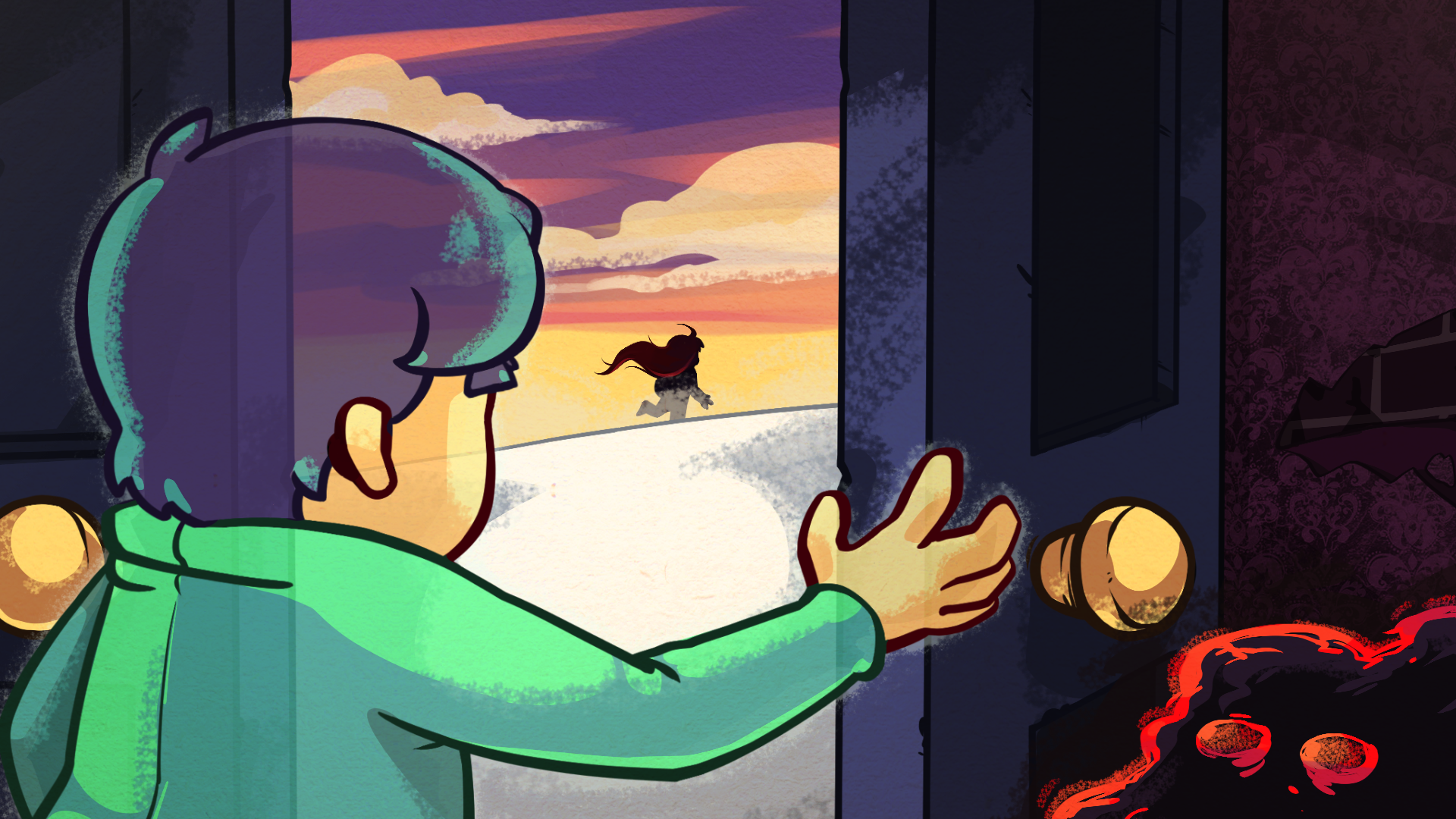
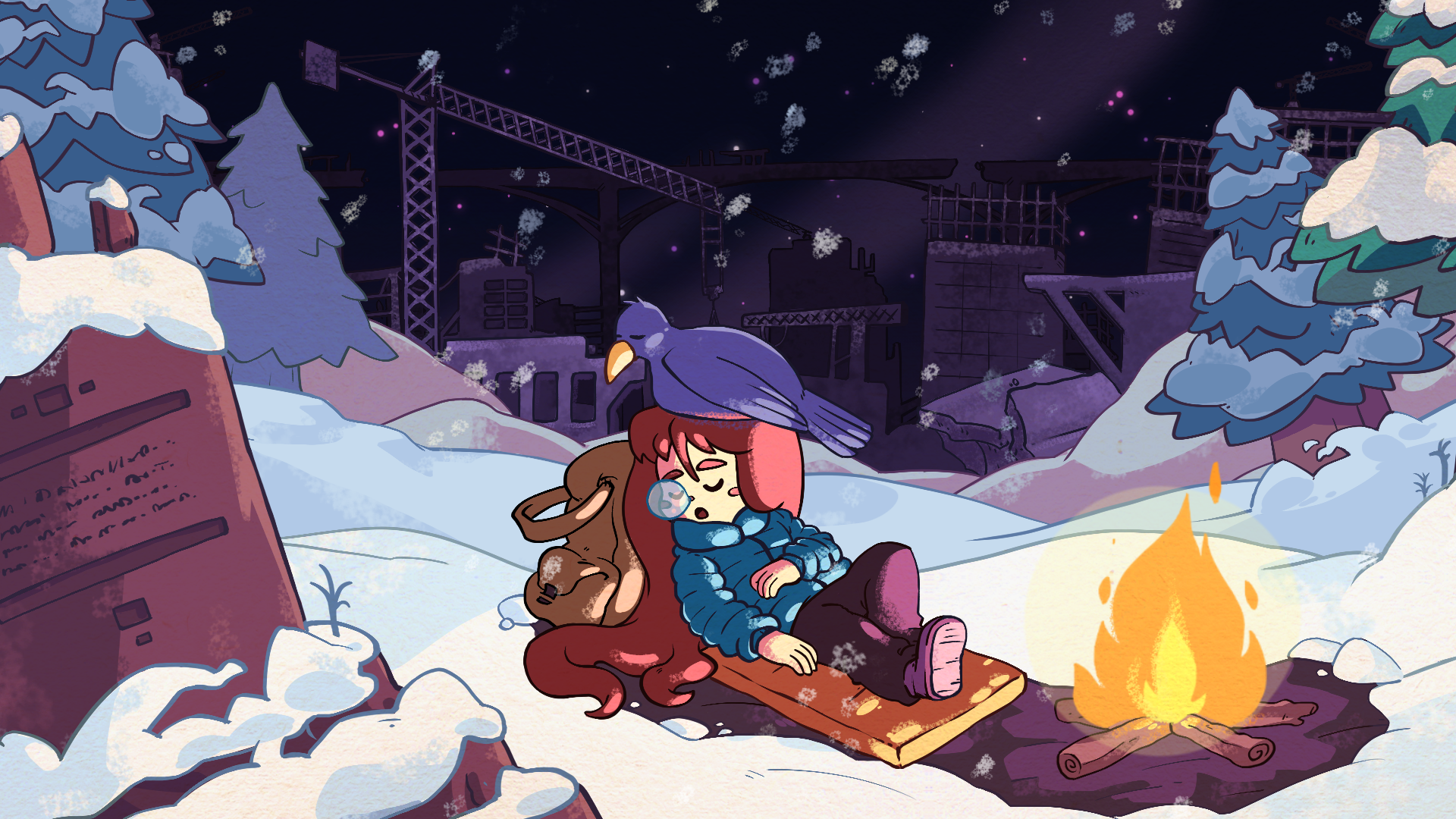
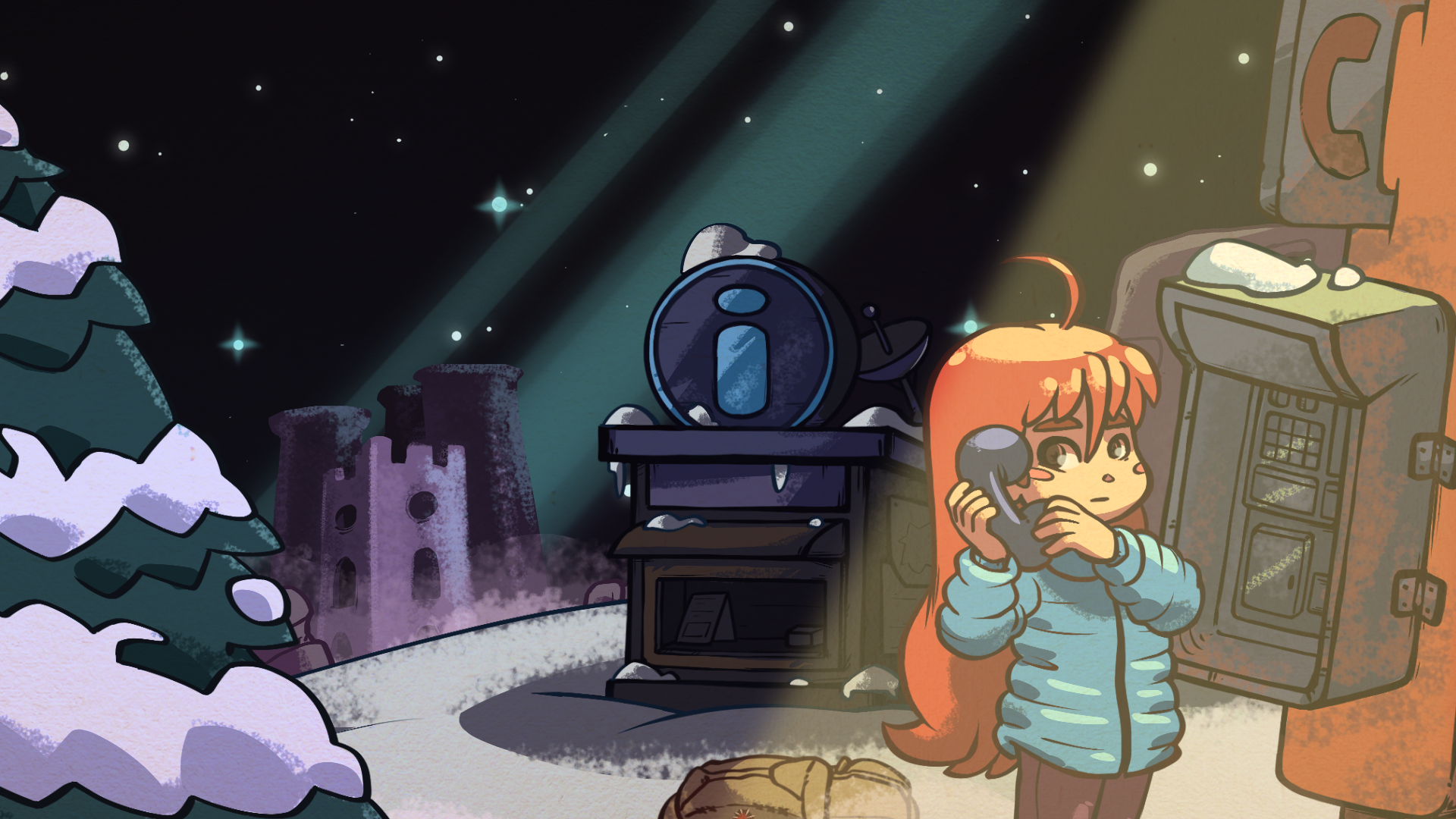
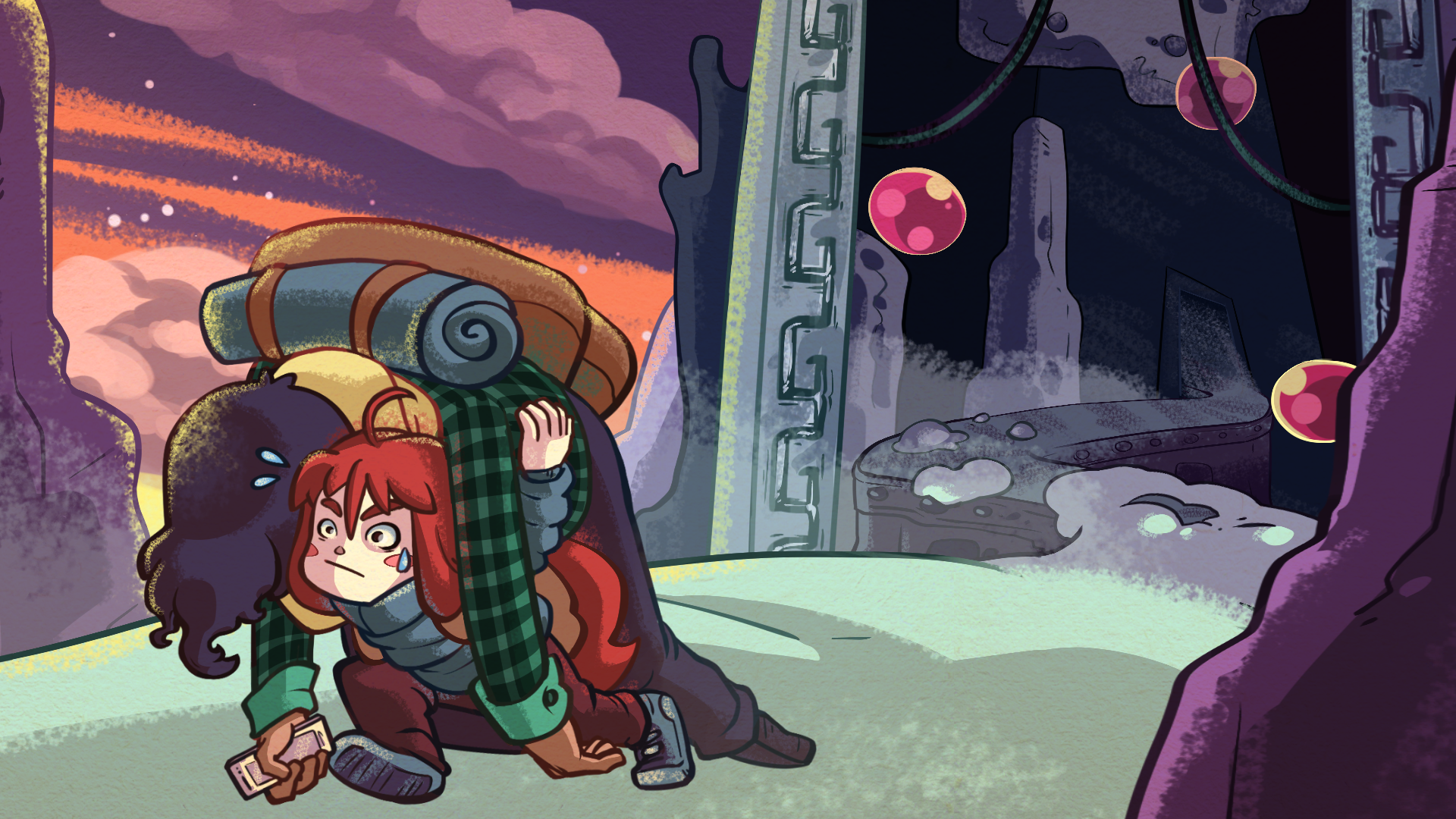
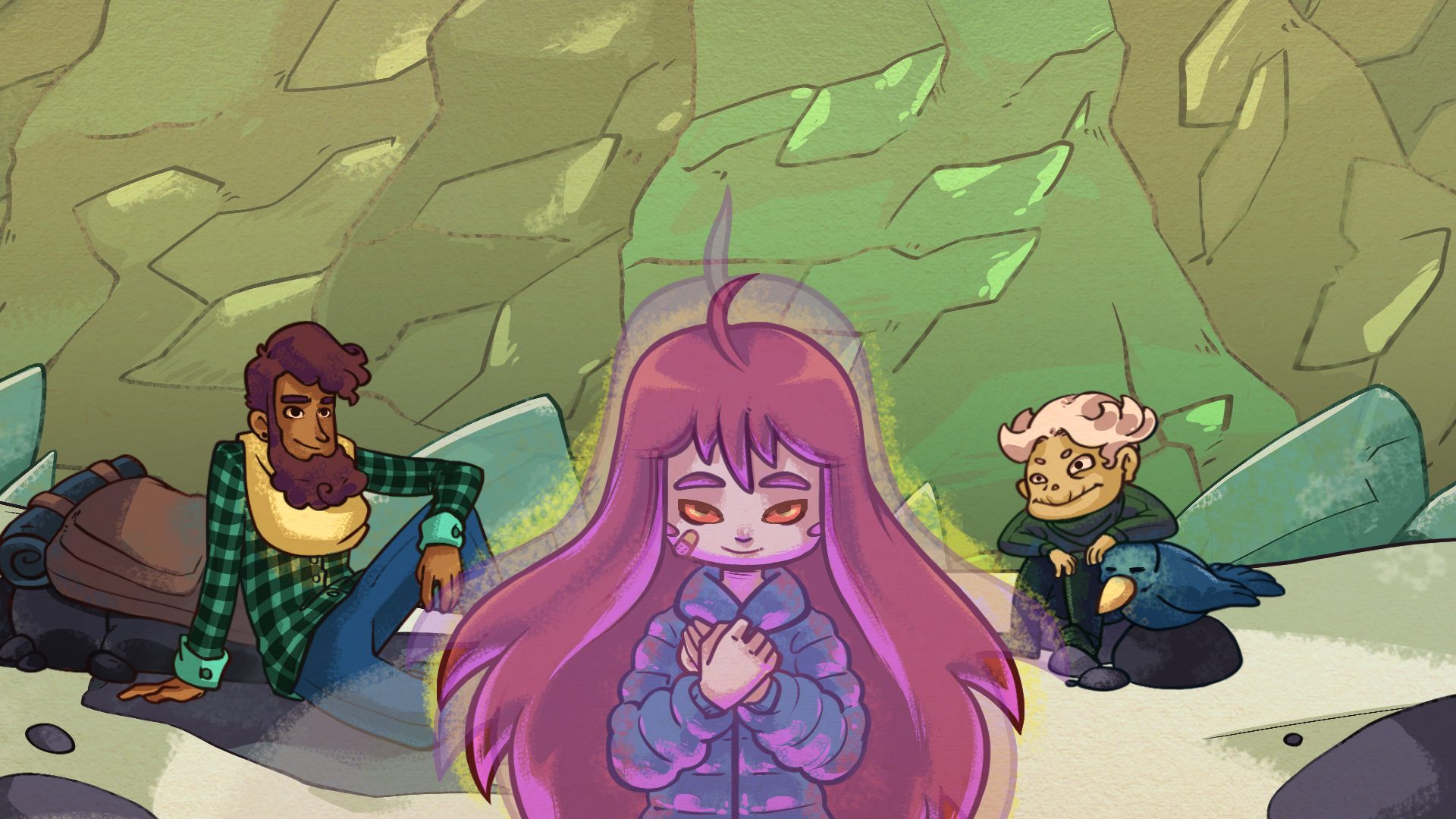
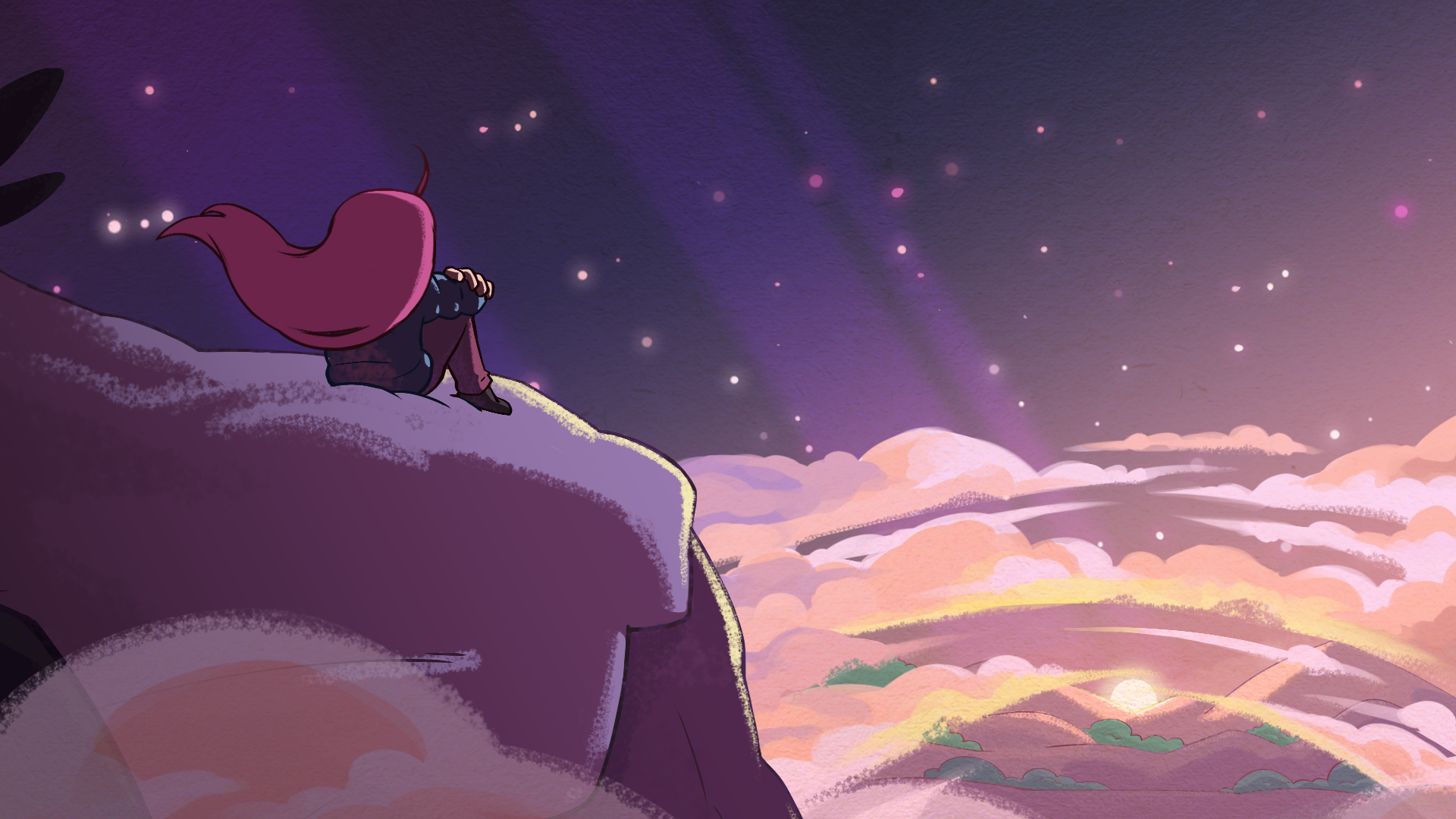
5 – Madeline – Celeste

What makes Celeste so incredible is that despite being the best platforming game I’ve ever played, what I ended up remembering most of it was the heartwarming story centred around Madeline.

I’ve had some small experiences with anxiety, but nothing too major. However, several of my friends have been a lot less fortunate, so I understand that odd, almost indescribable cocktail of emotions it conjures inside of you and how hard it can be to communicate to someone else what you’re feeling.

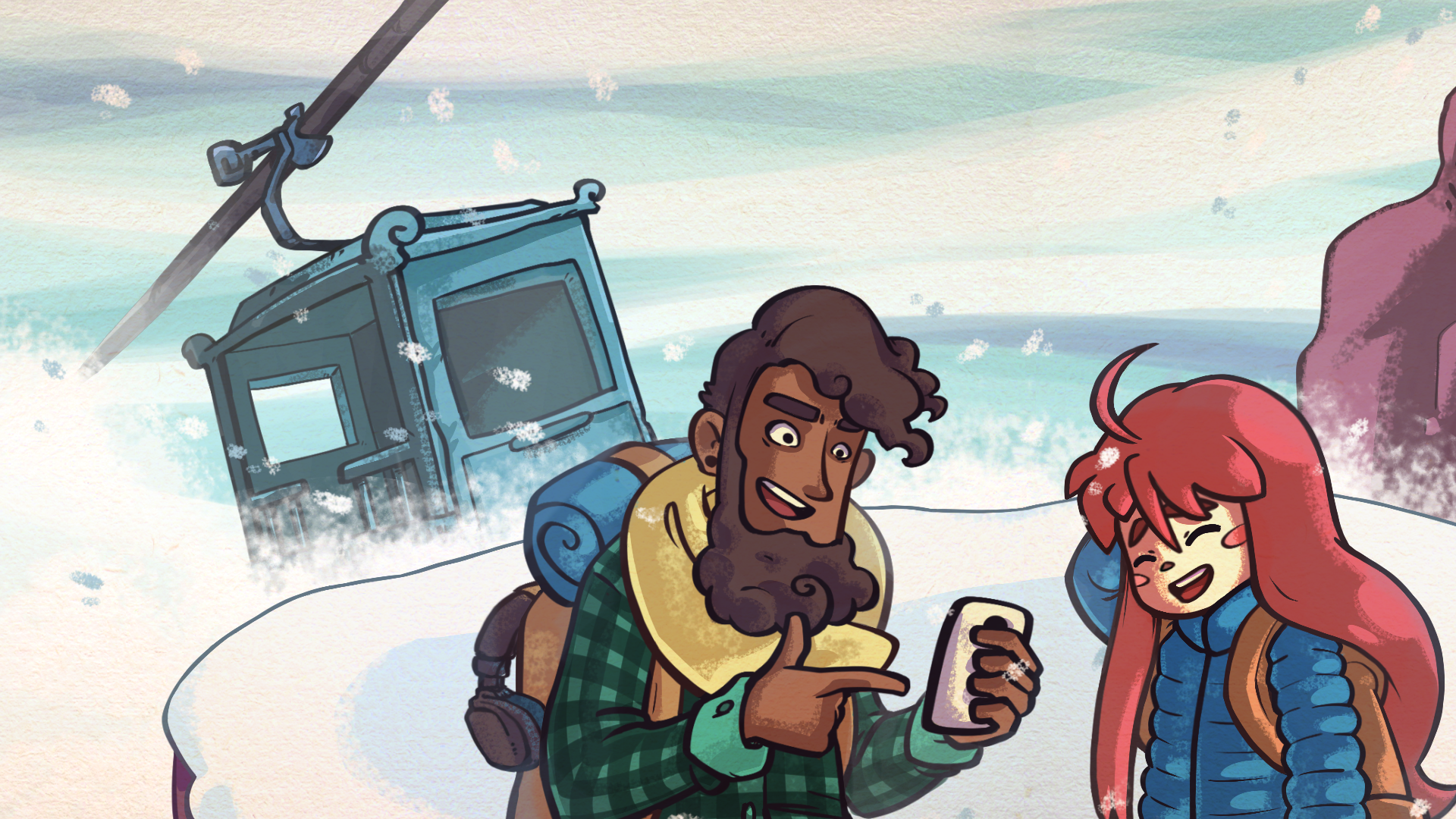
What amazes me with Madeline is how incredibly real it feels. Even when a writer is someone who suffers from anxiety when they try to portray that in fiction, it can come across as a little bit disingenuous. Many of the symptoms have to get overplayed because producers are worried the audience won’t “get it” if a character isn’t breathing into a paper bag. How Madeline portrayed is so amazingly realistic, though. That scene where Madeline is having a panic attack in the lift with Theo, I’ve literally had that conversation with people; it was such a powerful moment because of that.

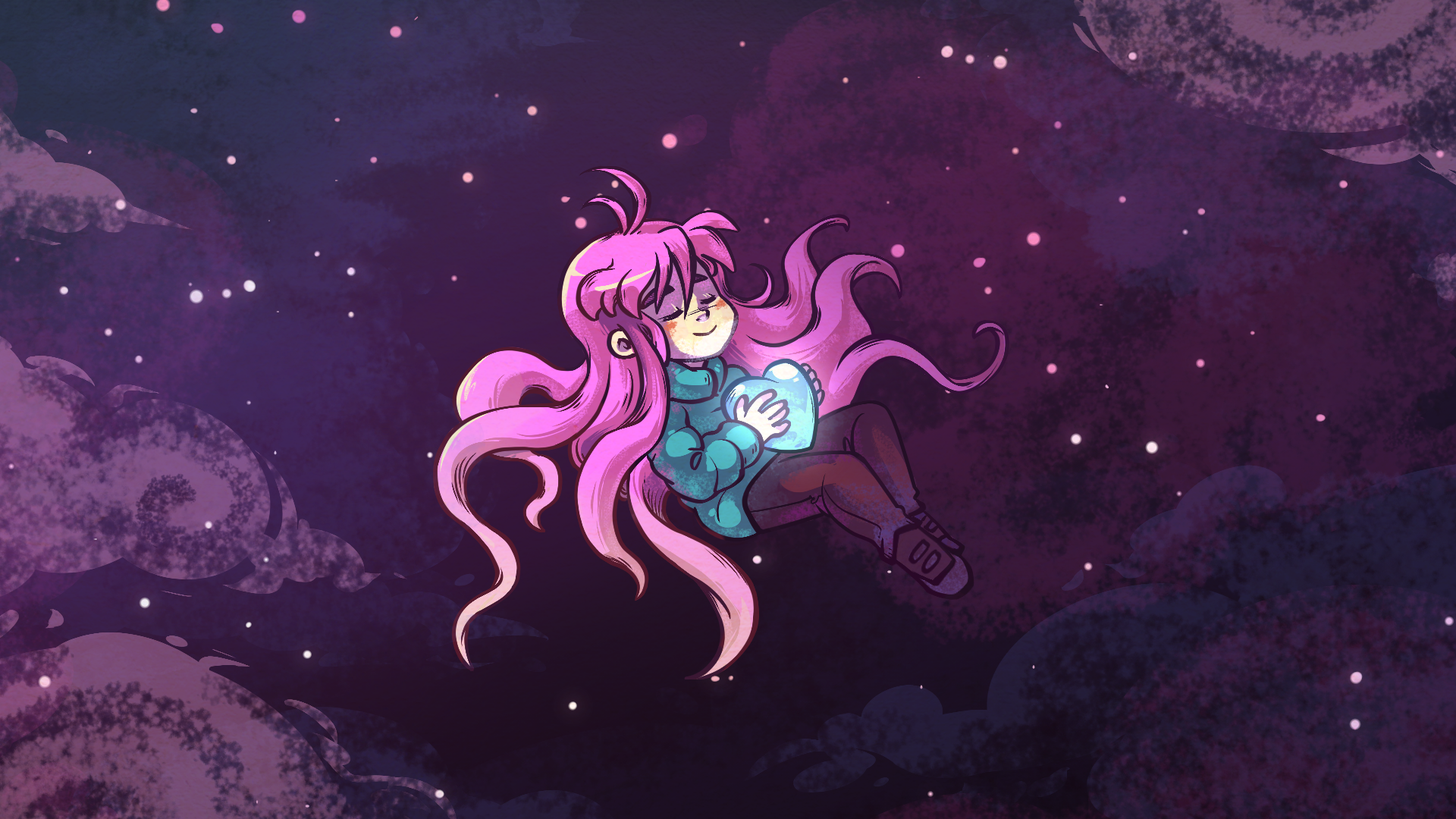
On top of that, you have her interactions with Badaline. Here the metaphor became a bit more ham-fisted, but it was done in such a heartfelt way that I don’t mind at all. The slow acceptance Madeline has to come to, that her anxiety and depression isn’t something she needs to forcibly eject from her life. Instead, it’s something to listen to and understand so she can make it better. That journey is the emotional core of Celeste, and it works so well because of how genuine Madeline is in her emotions.

Outside of those themes, she feels like someone full of life; she’s got the sass, she’s got the determination, and she’s got the heart. But it’s that down-to-Earth, realistic feeling of her as a person that makes me remember her so fondly.

4 – Bernadetta – Fire Emblem: Three Houses

(From my Fire Emblem: Three Houses Characters Ranked list)

Look, sometimes you fall in love with the weirdo, that’s just how it goes.

Sure, Bernadetta doesn’t have some big sweeping story arc or any major role to play in Fodlan, but when it comes to “ticking all my boxes”, no-one comes as close as this timid, nerdy recluse. She’s not nerdy in the modern sense, but she spends so much of her time by herself writing stories and doing drawings for those stories along with many other activities of that nature; which are the kind of things that I imagine would constitute “nerdiness” in that kind of world.

While her extremely timid nature invokes the instinct to protect and nurture, it becomes clear pretty quickly that’s actually not the case and she’s absolutely capable of protecting herself both on and off the battlefield. That said, I still find it totally adorable when she goes off on one about the joys of solitude and how she’d love to just stay in her room all the time (or slightly less adorable, her love for carnivorous plants). Her creative spark is something inspires me and I find it difficult to contain myself when she grows the confidence to let that creativity shine in front of people like Seteth and Linhardt because it’s so clear how much she cares about her creations and is overjoyed that – despite her expectations – people love them. I think you’re starting to see why I relate to her so much now, aren’t you?

It’s not all cuteness and hugs though and she just wouldn’t be a Three Houses character without a whole heap of tragedy in her past. I’ve talked a bit before about how emotional some of the other character’s backstories made me, but the only one that ever actually got a tear rolling down my cheek was when Bernie opened up and talked about her abusive father, which it lends all the more heartbreak to the moments where she clearly wants to be different, but can’t make herself do it.

Bernadetta just has a bit of everything that I like, her sensitive personality, her overwhelming joy (on the occasions she allows it to flourish), her major creative streak and even the fact she has purple hair all drew me in instantly, to the point where I just couldn’t help but fall for her as a character, because she embodies the best of what Fire Emblem: Three Houses has to offer.

3 – Thomas – Thomas Was Alone

I’ve chosen Thomas as the representative here, but really it could’ve been all the characters from that game.

At its core, Thomas Was Alone is a story about learning. Learning about the world, learning how it works and learning how to make friends. The vague context you get about the characters being AIs that became too advanced is almost immediately pushed aside for the real emotion that you end up pouring into these characters. They’re literally all just coloured rectangles. There’s nothing more to their visual design than that. However, it’s precisely that which draws attention to the masterful storytelling and character-building that Bithell exemplifies in Thomas Was Alone.

“Thomas was alone. Wow. A weird first thought to have”

From the first line of narration, I was endeared to Thomas because such a simple line of writing has tonnes of character poured into it. Immediately, there’s the whole “alone” thing that will always make me want to hug a character. Then, there’s the acknowledgement that not only is that a weird thing to start on, but it’s his VERY FIRST conscious thought. In the next few rooms, he’d go on to observe things, but it’s so endearing to me that this AI was created, looked around, and the first thought they had was that they didn’t have any friends around.

All of the characters in Thomas Was Alone have some sort of endearing traits like this. What’s genius is that, rather than actually hear them talking to each other, we get the narration of how they’re thinking about each other instead. That makes their relationships feel so much more genuine because their thoughts can’t be in any way falsified. We know it’s what they believe. It makes the group’s friendship so wonderful to experience and so heartbreaking when…well, I’ll leave it there.

2 – H’aanit – Octopath Traveler

(From my Octopath Traveler Protagonists Ranked list)

Thy may speakest liken a twat, but goddamnest I loven everything abouted thou.

I did consider writing like that for the whole thing, but that one sentence took 5 minutes so sod it.

H’aanit was the first traveler I picked when starting up the game, so I don’t think it’s that surprising that I like her as much as I do, since across my two full playthroughs there’s literally never been a time when she wasn’t in my party and that’s the kind of thing that tends to endear you to a character.

I know most people hate how she speaks, but I find it pretty cute. It’s so unnecessary that I can’t help but wonder how such a speaking pattern evolved in S’warkii. Did one guy just start doing it one day and everyone caught on? Did they just never move on from a time where it was commonplace? Either way, I think it helps exemplify who H’aanit is a character, someone who doesn’t quite fit in with the world around her.

She’s a respected village member in S’warkii of course, but I always got the impression that she didn’t have a close connection with anyone there other than Z’aanta. Immediately the story takes away the only person she had a real connection with in the world and it makes it so interesting to watch her try to fit in with all of the other characters in the world because you can tell she feels a bit out of her depth, yet soldiers on anyway.

Even things like the travel banter with the other travelers shows us that she doesn’t understand a great deal about the world outside her village, constantly asking questions to understand why many of the other travelers do what they do in their stories. Even when she starts to understand, she can’t help but draw parallels to hunting, because that’s all she really knows, it’s the only context she has with which to understand the world and I can’t help but find a character like that extremely endearing.

The changes in her at the end of her story are subtle, but when you think about them, they’ll make a huge impact on her life. In her early chapters, it often feels like she’s feigning confidence in unfamiliar situations and towns and there’s always that small sense of nervous energy to her, but by the final chapter that’s gone; it’s not fake confidence anymore, it’s the real deal. H’aanit was forced to experience the world without the one person she could rely on to teach her and it’s made her an infinitely better-rounded person. Saying she “becomes the master” is a bit of a stretch, but I definitely get the feeling that she’s got a new outlook on both the world and herself by the time her story comes to an end. It’s so subtle and yet so powerful.

Looking at the gameplay side of things, H’aanit is an absolute powerhouse if you build her correctly. Combining her abilities with that of the Warrior job makes for an extremely powerful physical attacker that can buff the rest of the party in the process; not to mention Leghold Trap is one of the most vital skills in the whole game. In the late game, giving her the Warmaster skill makes her pretty much unstoppable, easily being able to deal out over 50K damage per hit with Winnehilds Battle Cry. I don’t know where I’d be without her on my team.

H’aanit is a character that I feel like very few people like as much as I do and I can see why, but my personal experiences with the character have made me connect with her so much that I can’t help but draw myself towards her whenever I can.

Oh and also, she has a Snow Leopard that’s one of the most beautiful animals I’ve ever seen, so shove it.

1 – 2B – NieR: Automata

This one feels like a bit of an odd choice, considering she’s dead for half the game, but I think she’s the character that best represents the overall feelings I got from Nier: Automata.

I find the horrible and complicated relationship 2B has with 9S and her mission almost impossible to process. I’ve never been in a situation even close to what goes on there, and I think the emotions involved are so ludicrously complex that to even describe them breaks my brain a little bit. The immense tragedy at the heart of everything 2B experiences is so intense, and what’s even more heartbreaking is that you never get to understand it until you finish the game and everything is revealed.

Despite being dead, 2B remains the driving force for the main characters (‘protagonist’ is a subjective term here) in the second half of the game, and because of how that story is told, it almost feels like the player is seeing it through her eyes. As 9S slowly descends into madness, you can’t help but feel the ironic tragedy of how things could be different if he knew the truth.

I find almost everything about NieR: Automata hard to put into words, but 2B acts as the centre point for which the entire story revolves around in one way or another. While her closed-off demeanour that slowly fades is endearing the first time you play through the game, once you’ve finished it and experience the story a second time, knowing the truth of the story, she becomes this mix of tragedy and love and all kinds of other things that leave me feeling an incredible attachment to them.

And there you have it! Thank you very much for taking the time to read this post. Please, let me know what characters you love the most, either in the comments below or on Twitter @SStyleSmark. Finally, make sure to come back here this time next week, where I’ll be doing some fantasy booking of WWE in 2020!

My 100 Favourite Games of All Time (20-11)

Welcome back to my 100 favourite games of all time series! Top 20 time! This is where the games hit that upper rung of being genuinely incredible, I hope you enjoy entries 20 through 11!

If you haven’t read the previous instalment in this series, please do so here, and here’s the first entry if you want to start from the entry 100.

SPOILER WARNING!

Just a heads up that there will be full SPOILERS for every game I’m going to talk about in this series, so be careful if I talk about something you don’t want spoiled.

Let’s not waste any more time!

20 – Super Mario Odyssey

Release Date: 27th October 2017
Developer: Nintendo Entertainment Planning & Development
Publisher: Nintendo
Platforms: Nintendo Switch
Metacritic Average: 97%

It’s a game about throwing your hat and possessing creatures to complete platforming challenges.

As you’ve probably guessed by this point on the list, I didn’t grow up playing the Mario games. I had one on the Gameboy, but I didn’t really get much out of it at the time, much preferring Wario Land instead. So when people would talk about games like Mario 64 being the greatest of all time, I never quite got it. I could understand the appeal, but I didn’t see what put in the upper-echelon of gaming. Then, Super Mario Odyssey was released, and I decided this was finally the time I’d sit down with a Mario game and see what makes them so great.

Literally everything. That’s what makes them so great.

Nintendo’s design philosophy is one that I wish we would see more of the gaming industry today. Every time Nintendo start to make a new game for one of there core franchises, they sit down and work out amongst themselves what they can do that’s new and interesting. They don’t see the point in making another game that’s like Mario 64, because they’ve already done it…what would be the point in doing it again? I love that way of thinking because that’s almost exactly what I strive for in my creative endeavours. Naturally, it doesn’t always work, there are always going to be some stumbling blocks (looking at you, WiiU), but it also means that we get absolutely incredible unique titles like this one.

If you want a more in-depth look into Cappy’s mechanics in SMO, then I highly recommend checking out Mark Brown’s video on the subject, but I’ll just say that it made platforming in that game completely different some any other 3D platformer I’ve ever played, in the best possible way. I usually prefer my platformers to be 2D, because I’m not very good at 3D platforming. However, every mechanic in SMO is designed in such a way that it makes the platforming easier, while still being fun and interesting.

Combine that with some of the most creative mechanic, world and creature design I’ve ever seen, and you’ve got yourself an adventure that never stops being fun and is always ready to throw something new your way to keep you hooked. It’s got so much death and quite literally several hundred different challenges for you to try your hand at. As far as I’m concerned, this is the game that exemplifies what makes Nintendo the world’s best game developer.

19 – Assassin’s Creed IV: Black Flag

Release Date: 29th October 2019
Developer: Ubisoft Montreal, Ubisoft Milan, Ubisoft Kiev
Publisher: Ubisoft
Platforms: Playstation 4, Playstation 3, Xbox One, Xbox 360, Nintendo Switch, Nintendo WiiU, Windows
Metacritic Average: 88%

It’s a game about pirates.

(From my Every Main Series Assassin’s Creed Game Ranked article)

Remember that one time, when Ubisoft just thought “fuck it” and made a pirate game for no reason? Good times.

Counting Black Flag in a list of best Assassin’s Creed games almost feels like cheating, because let’s face it, it’s an Assassin’s Creed game in name alone; that doesn’t mean it isn’t brilliant though.

I don’t think I’m alone when I say that my favourite part of Assassin’s Creed III was the sea battles. The team at Ubisoft clearly thought the same because the next game, Black Flag, was entirely about the sea battles. They stumbled upon an entertaining style of gameplay, and to their credit, they leaned all the way into it, to make an absolutely fantastic game.

Every battle you got into with the boats felt like an all-out war. The scale of it all combined, with the vibrant colours of the Caribbean, and the extremely well-designed soundscape made every single encounter feel like a chaotic and epic fight. Pile on top of that, extreme weather conditions, a wide variety of weapons at your disposal, and the ability to board your opponent’s ships – which causes a massive battle in quite a confined space – and you’ve got yourself a formula that never ceases to be fun to play.

The world was also exceptionally well designed, with the towns being bright and colourful, but not so big as to feel too big and also having enough variety in the environment, so all of them felt distinct. The random islands and plantations were also great additions, with things continually sidetracking you (in a good way) when you’re poncing about on the open seas.

Black Flag, has a relatively big open world, but by no means too big, and the game is very carefully designed for touring you through it at a very steady pace. As such, you never feel overwhelmed at the amount of stuff there is available to you. Speaking of stuff, unlike most of the other open worlds in this franchise, Black Flag’s world is very densely packed with a great variety of stuff to do. Be that hunting down collectables, hunting animals for crafting, playing board games, throwing harpoons at sharks or firing on every British ship you see. There’s never a dull moment when traversing the world; and even if you do get bored, you can make your crew sing sea shanties to keep you entertained.

Once again, the story was perfectly fine. It doesn’t stand out to me as any kind of exceptional storytelling, but it also never did anything to piss me off or turn me against the characters which, in a game like the Assassin’s Creed series, is all I really want.

In a way, I’m quite glad this ended up being a one-off for the franchise because I honestly don’t see many ways in which this formula could’ve been improved, as the boat-based mechanics in subsequent games in the franchise have proven. Black Flag was a rare instance of a game I can honestly describe as unique in its gameplay, and at the end of the day, it’s just an absolute blast to play.

18 – Celeste

Release Date: 25th January 2018
Developer: Matt Makes Games
Publisher: Matt Makes Games
Platforms: Playstation 4, Xbox One, Nintendo Switch, Windows, Mac, Linux
Metacritic Average: 94%

It’s a game about climbing a mountain while dealing with anxiety.

(From my Favourite Old Games I Played for the First Time in 2019 article)

Celeste is an absolute master of controlling the difficulty. It’s undeniably a hard game, and that’s part of what initially put me off. However, it’s when you push through that difficulty and carry on in spite of everything that the game is throwing at you that you come to see Celeste for what it is: The most perfectly paced game in history.

Every room in Celeste is designed so that you can almost see the extensive amount of play-testing and tweaking that went into every jump. Every challenge feels so carefully crafted to give you the exact right amount of hope and despair as you throw yourself into it over and over again and their own, every single room is a masterclass in level design. However, the real magic of Celeste comes from stepping back and looking at how the game is threaded together.

Every single room prepares you with the skills you need for the next, it’ll teach you a technique or idea, and you’ll spend multiple attempts getting through it. Then, when you come to the room immediately after, the game asks you to take what you just learned and re-learn it slightly differently to solve a new challenge. This persists chapter to chapter as well, with each chapter giving you a new mechanic to play about with and understand as you go.

The way each level is designed forces you into the mentality of pushing forward despite hardship, which is so incredibly clever when you consider the themes and ideas behind the game’s narrative. The way this tale is told of living with and overcoming, anxiety is so beautifully and thoughtfully done, because it’s so low-key and yet feels entirely heartfelt, while insightfully addressing a severe mental health condition.

When you combine the overarching themes with the incredibly colourful and engrossing visual style and the absolutely mindblowing soundtrack, the game can take control of your mental state and align it with exactly how Madaline feels in the story using its level design as the primary tool.

Not only is Celeste one of the most mechanically sounds and fun games I’ve ever played, but it goes above and beyond to say something meaningful using those mechanics, something which has stuck with me ever since I finished it.

17 – Descenders

Release Date: 7th May 2019
Developer: RageSquid
Publisher: No More Robots
Platforms: Xbox One, Windows, Mac, Linux
Metacritic Average: 78%

It’s a game about riding a bike downhill very fast before wrapping yourself around a tree.

(From my Game of the Year 2019 article)

First available on Steam Early Access in February 2018 and I picked it up a couple of months later, and since then it’s become my 2nd most played game on Steam at 604 hours, beaten out by only Skyrim and the weird thing is, I’m not even entirely sure why I play it so much. I certainly wouldn’t describe it as an addictive game, but what I think is it’s a straightforward game to play.

By “easy to play” I don’t mean the difficulty of the game itself, I mean it’s a game that I’m never “not in the mood” to play. In the way that I play it (very casually), I don’t really have to put much thought into it, so it’s become what I play when I don’t want to play anything. I’m someone who finds it very hard to just sit and watch something for example, so what I will often do is put on something I want to watch on my 2nd screen and then play Descenders, almost in the background, while I watch it.

That’s not all Descenders is good for, because it hits that sweet spot that PopCap games were always brilliant for, where you can play it casually and do reasonably well, but also you can spend time honing your skills and mastering the game to pull off some incredible feats of skill that I could never even dream of. The procedurally generated nature of the levels means I’m never just “going through the motions” when I play. I can’t just rely on muscle memory to get me through each level I have to learn to adapt to the terrain that’s currently in front of me, so I don’t wrap my body around several trees at several hundred kilometres per hour.

It’s a game that has complete mastery over its movement, the bikes feel light and nippy while manoeuvring it in the air and on the ground feels forceful and satisfying. The way you glide down the hillsides, doing jumps and flips and spins the whole gives this incredible feeling of flow that gives you such a rush as your performance in the environments becomes more fluid and streamlined.

Descenders is a game that came together in a way I honestly never would’ve expected to make it a game that I’m going to be playing on-and-off for a very long time.

16 – Terraria

Release Date: 16th May 2011
Developer: Re-Logic
Publisher: 505 Games
Platforms: Playstation 4, Playstation 3, Playstation Vita, Xbox One, Xbox 360, Nintendo Switch, Nintendo WiiU, Nintendo 3DS, Windows, Mac, Linux, iOS, Android
Metacritic Average: 85%

It’s a game about adventuring and building.

It’s hard to accurately define precisely what Terraria is in a single sentence. It’s a bit sandbox, it’s a bit builder, it’s a bit RPG, and it’s a bit adventure. On the surface, if someone were to describe a game to me like that, I’d expect it to be a bit of a mess, but somehow Terraria manages to mash all of its ideas together really cleanly. I originally wasn’t all that interested in it. I think it had to contend a lot with the perception from many critics that it was just ‘Minecraft but 2D’. However, over the years, through several major content updates, Terraria has proved itself to be something entirely different from that and something rather unique when you look at any of the genres it fits into.

Unlike most sandbox games, Terraria has a distinct sense of progression as you play in your world and you won’t even realise it at first. I had the wonderful privilege of going into the game almost completely blind, so the feeling of accomplishment throughout every milestone was so great. Every time I thought that I’d reached the limit of what the game had to offer, I’d find out that I’d barely scratched the surface. Oh, you defeated the Eye of Cthulu? Congratulations on completing step one of 300. Ah, so now you’ve gone to hell and defeated the Wall of Flesh? That’s nice, but you’re not even halfway, mate, come back when you’ve killed the horrific being that is literally the God of the Moon.

I was always exploring and discovering new things, and all of it was paced in such a way that there were never any dull points that had me just grinding away at resources in the hope that I’d uncover something new. While I never quite got into the building mechanics like I did with Minecraft, I still can’t deny the complexity and variety that is on offer for those that want to go down that route; I’ve seen some gorgeous creations in the community.

15 – Thomas Was Alone

Release Date: 30th June 2012
Developer: Mike Bithell
Publisher: Mike Bithell
Platforms: Playstation 4, Playstation 3, Playstation Vita, Xbox One, Nintendo WiiU, Windows, Mac, Linux, iOS, Android
Metacritic Average: 88%

It’s a game about friendship and jumping…and also a little bit about the nature of self-aware AI.

Told you I’d be talking about Mike Bithell again.

Although the story told in this game isn’t as complex as in either of the “Circular” games, there’s a whole bunch of other factors that put Thomas Was Alone above its descendants. Namely how every single mechanic is designed to feed right back into the nature of the story.

First up is the fact that this game isn’t just a load of text boxes that you click your way through, there are real game-mechanics here, and they’re executed suberbly. None of the game’s puzzles are particularly difficult, but I don’t think they’re supposed to be. Instead, they’re a tool for seeing these characters relying on each other’s abilities to feel their bonds growing as they help each other to reach the end of each level. Even the designs of the characters are so perfect, they’re literally just coloured rectangles, and yet it’s able to perfectly capture the personality of all of them.

Personalities that are fleshed out through some genuinely fantastic narration that happens throughout every level. Read by the wonderful Danny Wallace, the whole story has this warm feeling to it, like you’re being told a sweet bedtime story. Even when the story is touching on some more tragic or serious elements, it’s told in such a way that you never have any reason to question your protagonists and their bonds change and grow.

Thomas Was Alone is what I would argue to be the second-greatest story ever told in a video game (more on the best in the finale). It has total control over the tone of the plot, the characters and the player’s emotions at every moment, and I always take joy in revisiting it.

14 – Assassin’s Creed Brotherhood

Release Date: 16th November 2010
Developer: Ubisoft Montreal
Publisher: Ubisoft
Platforms: Playstation 4, Playstation 3, Xbox One, Xbox 360, Windows, Mac
Metacritic Average: 90%

It’s a game about stealthy stabbing.

(From my Every Main Series Assassin’s Creed Game Ranked article)

It’s got a little bit of everything without having too much of anything.

I’ve talked a lot throughout this article about the “formula” of Assassin’s Creed, which is the general: Viewpoints, 5 different types of collectables and about 100 of each one, way too many weapons and vague stealth mechanics, (this would later become almost every Ubisoft game as well, but that’s a discussion for another day). I generally view this formula as a bad thing, but that doesn’t mean it can’t be fun. While too much can be a bore, the right amount of small tasks dotted all over the open world can make for an extremely compelling game for a habitual completionist like me, and Brotherhood is the closest thing I’ve found to a perfect version of that formula.

The open world is big enough to have plenty of variety to it, but not so expansive that it feels bloated and pointless. Traversal of the world feels fun and fluid, with parkour mechanics that Assassin’s Creed have always been good at, but it mainly feels like the world was handcrafted to make running around Rome’s rooftops extra fun. Even when you wandered out into the outskirts of the city, the vast plains felt like a breath of fresh air and galloping about the place on horseback was just as fun.

There was a considerable mission variety, not just in the main story, but with side missions too. Each of the three guilds had different styles of missions, which were solid enough to flesh out the relevant characters while staying pretty brief and not overstay their welcome. Leonardo’s missions are also great fun, playing with all the weird toys, including a tank, so I don’t have anything bad to say about that. However, best were the Lairs of Romulus which were a series of levels almost entirely based around fun parkouring challenges, with impressive scenery and a great variety in the mini-stories surrounding them, they’re my favourite set of side quests in the whole franchise.

The visual design is excellent, with every section of the colour palette being used in one place or another in the game. Ezio’s red and white outfit from Brotherhood is far and away from my favourite protagonist outfit, and every other character had colours and styles that seemed to perfectly match their personality. Speaking of characters and story, it’s still nothing overly special, but it’s definitely the best the franchise has done. Cesare is the best villain from this series as far as I’m concerned, and Ezio is also the best protagonist because he’s the only one I don’t hate at least a little bit.

Brotherhood is simply where all of the features and styles that make the Assassin’s Creed formula what it is come together in just the right way. I firmly believe that if you took all that was good about Assassin’s Creed and refine it to a point, you’d end up with something that looked pretty similar to Brotherhood. It’s the game that I will always go to when I need reminding of why I actually love this franchise deep down.

13 – Moonlighter

Release Date: 29th May 2018
Developer: Digital Sun
Publisher: 11 bit Studios
Platforms: Playstation 4, Xbox One, Nintendo Switch, Windows, MacLinux
Metacritic Average: 84%

It’s a game about murdering monsters by night and then selling their loot by day.

Have you ever wondered how, in RPGs and the like, the shopkeepers around the world are able to get ahold of incredibly rare and powerful loot that you, the adventurer, often struggle to find? Well, as it turns out, they’re just as bad-ass at cave-diving as you are, and Moonlighter proves it.

As I’ve said previously in this series, for me to take an interest in a roguelike/roguelite, it has to do something special, and I’d argue none are more special than Moonlighter. On the one side, there are the dungeon-crawling elements of the game, which are excellently done. The combat feels weighty while remaining very fluid and every dungeon has its own host of unique and interesting looking enemies that make me want to press on just to see what new things are around the next corner. Although, what I’m really interested in is the stuff they leave behind when I slice them up because that is the stuff I can use for the other side of the game, the shopkeeping.

This is where I went from enjoying Moonlighter, to loving it. When you’re running your shop, it isn’t as simple as setting out your goods and waiting for people to come and throw money at you. Instead, you have to use your knowledge of various other items in the game to assign an appropriate value to each item. You then must watch for your customer’s reactions to your prices, to determine if they’re too low/high and adjust accordingly. Each day in the shop doesn’t last all that long, so it doesn’t drag on, but you’ll be constantly occupied as you split your attention between making sure your shelves are always stocked and watching your customer’s faces to find the perfect prices for your goods.

On top of this, Moonlighter avoids the trap that puts me off so many other roguelikes, which is that it doesn’t overwhelm you with an infinite amount of content. There are four dungeons (each unlocked by beating the previous one), and each dungeon had three floors before a boss fight. On top of that, your end goal is staring you in the face the whole time, the final dungeon holding some ancient secret, which will only be unlocked after beating the four other dungeons. Moonlighter sets you up right away so that you know why you’re doing everything which keeps me motivated to push forwards, instead of getting bored of the ‘infinite’ nature of things, something I wish more games in the genre would strive for.

12 – Pokemon Sword & Shield

Release Date: 15th November 2019
Developer: Game Freak
Publisher: Nintendo
Platforms: Nintendo Switch
Metacritic Average: 80%

It’s a game about becoming the world champion of rural England.

(From my Game of the Year 2019 article)

Firstly, when it comes to the towns and routes in the game, I thought they were absolutely beautiful and captured a lot of different feelings from phases in British culture. There’s Motostoke, the industrial, victorian town; Wyndon the modern-day metropolis that we all know and (kind of) love today and then there were towns like Ballonlea that felt like something out of an old fairy tale. The visuals in this game were bright, colourful, and an absolute joy to behold.

As for the Pokemon, while I certainly wouldn’t rank it among the best new roster we’ve received for a generation, It’s most certainly nowhere near the worst. I’ve already talked about the Pokemon I loved the most, but there were a whole host of other new Pokemon added in this game that I really love the look and feel of.

While the story itself was nothing special by Pokemon standards, it was paced quite nicely, and I thought the climax was quite a cool sequence, not Ultra Necrozma levels of cool, but cool nonetheless. I enjoyed my interactions with any character not named Hop or Leon. I also thought the difficulty was rather nicely done, I didn’t exactly struggle at any point, but there were several points in the big battles that I felt were a bit touch-and-go, and I was forced to think about what I was doing a bit harder than I usually have to in Pokemon games.

I’m undoubtedly biased towards Pokemon as a franchise, but that doesn’t change the fact that I had loads of fun with this addition to the series. It was a Pokemon game that ticked all the boxes in terms what I need to have fun from a Pokemon game and in terms of visual spectacle, I think it’s the best we’ve seen so far. If the lack of a national dex was the only thing keeping you away then implore you to reconsider because this is still just as brilliant of an experience as Pokemon always has been.

Pokemon Sword & Shield have certainly become more controversial entries into the franchise than most, especially amongst the online fanbase, however, I think it’s a perfect encapsulation of everything I love from the modern era of Pokemon games. While Sun & Mon was a lot more visually interesting, I think the pace of the gameplay and the sheer force of personality and character on display in Sword & Shield is exactly what I adore from the franchise in the modern-day.

11 – Black and White 2

Release Date: 4th October 2005
Developer: Lionhead Studios, Robosoft Technologies
Publisher: EA, Feral Interactive
Platforms: Windows, Mac
Metacritic Average: 75%

It’s a game where you play as God and throw bunnies around with your giant God-hand.

All aboard the nostalgia train! Black & White 2 is the first game that I remember truly loving. I’m sure my parents will attest to the fact that when I was younger, I would play it non-stop. There was a short period where we didn’t have it installed on our family computer because it was playing up and I wouldn’t stop bugging my parents about getting it back on there so I could play it again. Even to this day, I make sure that I play through it at least once a year, and I have so much fun doing so.

I don’t usually like city-building games very much, and I’m not the biggest fan of real-time strategy, yet this game is a mix of those two things. If I had to guess, I think it’s the free-form nature of the game. There are minimal restrictions as to how you build up your cities or what tactics you want to use to conquer your enemies. There’s something about the freedom of playing as the literal hand of God and planning out these grand cities full of a variety of buildings that all have a unique charm to them that I just can’t get enough of. Also squishing tiny men with rocks and feeding their corpses to my giant pet cow is pretty fun.

That’s the thing with this game, it’s got so much charm and character that fills me with warm feelings of happiness. The way your people react to every action you make, or the personality that’s poured into every animation of your creature. Pour on top of that the overwhelming waves of nostalgia I get from playing it, and we’ve got a game that I’ll never get tired of, no matter how many times I play it.

And there you have it! Thank you very much for taking the time to read this post, just ten games left to go! Please, let me know what you think of these games, either in the comments below or on Twitter @10ryawoo. Finally, make sure to come back here this weekend, where I’ll be covering WWE Summerslam!

My Favourite Old Games That I Played for the First Time in 2019

Naturally, as December rolls around and the year draws to a close, every site that has anything to do with games that exist on the internet is going to start compiling their “Game of the Year” lists, now I’ll be doing that very soon, so don’t you worry, but before I talk about what came out this year, I’d like to talk about some of the stuff that didn’t.

In 2019 I easily played way more games than I ever have in a year before and as such, I spent a lot of time looking back through years gone-by to see what great stuff I’ve missed and, in doing so, have come across some absolutely phenomenal games in the process and that is what this list is all about. While “old” probably isn’t the right word to describe most of these games (but YOU try to come up with a more concise way to say “Games that didn’t release in 2019”)  these are the best games from years previous that I got to experience for the first time this year.

SPOILER WARNING:

It should go without saying, but there will be full spoilers for all of the games I’m going to talk about, YOU HAVE BEEN WARNED.

7 – Dungeon Keeper

Release Date: 16th June 1997
Developer: 
Bullfrog Productions
Publisher: 
Electronic Arts
Platforms: Windows, Mac (and MS-DOS, if you’re that way inclined)
GameRankings Average: 92%

For many years, Dungeon Keeper was a game that I’d heard so many people talk about and seen so much gameplay of that it wasn’t until earlier this year when I realised I’d never actually played it. Thankfully Good Old Games was at hand to fix my problem and I soon picked up the game and promptly finished it in two days.

I’d tried my luck with various management games over the years with the likes of Two Point Hospital and Project Highrise, but none of them ever captured my attention for very long, the only game that had succeeded at doing so before I played this was Prison Architect, but when I finally sat down and played through Dungeon Keeper I saw exactly why this genre was one that people had continued to try and add to over the years.

The pacing in Dungeon Keeper is brilliant, both in terms of the game as a whole and each individual level. While it starts off pretty easy, the best levels are ones where you have just enough time to get yourself set up before an onslaught of enemies come your way and you have to be constantly pushing to make sure you don’t lose your ground. You have to manage your time so effectively in Dungeon Keeper that you essentially become a machine running through a checklist of things you need to do before you get wiped off of the map completely. Through necessity, I became hyper-efficient and that level of constant thought and strategising is where games like this get the most joy out of me.

You take this formula and you throw on Bullfrog’s fantastic humour that they injected into all of their games and it’s a game that allows me to experience the intense focus that I love from real-time strategy games while still bringing in the joy of discovery that something like Two Point Hospital lacked.

6 – Subnautica

Release Date: 23rd January 2018
Developer: 
Unknown Worlds Entertainment
Publisher: 
Unknown Worlds Entertainment
Platforms: 
Xbox One, Playstation 4, Windows, Mac
Metacritic Average:
87%

I really wasn’t sure if I was going to enjoy Subnautica going into it, I’ve been burnt out on survival-crafting games for quite a while now, but I pressed forward with Subnautica because I thought the underwater gimmick would add something brand new to the genre and it’s safe to say that I was not disappointed.

The world of Subnautica has such a strange atmosphere to it that kept me constantly on edge the whole game and it was that sense of fear of the unknown that made it such a fun experience for me. Every inch of progress felt like it was a real achievement because I had to fight not only the environment but my own psyche to get there, I found myself constantly having to forcibly remove my nerves from the picture and push forwards into the dark because that was the only way to progress.

To add to this effect, the game is constantly throwing new stuff at you to make sure you never get too comfortable in your abilities and equipment. There were several times where I built up the confidence to push the boundaries of how far I thought I could go, only to get severely punished by a creature I’d never seen before who scared the life out of me before literally forcing the life out of me.

Outside of the atmosphere, the game is beautiful to look at. Something about the art style got the balance just right between the cartoonishness and realism to properly capture the beauty of the bottom of the ocean, even when I was looking around with just a flashlight to show me the way I could look around and see columns of different coloured fauna reaching up to the surface to create an awe-inspiring sight.

Subnautica is a game that takes a genre that’s been done to death in the form of survival-crafting and does something genuinely unique with it, not only in its mechanics but in its world-building and general atmosphere, very glad I gave this one a go.

5 – Shadow of the Colossus

Release Date: 18th October 2005
Developer: Team Ico, SCE Japan Studio
Publisher: 
Sony Computer Entertainment
Platforms:
Playstation 2, Playstation 3, Playstation 4(Remastered)
Metacritic Average:
91%

I went into Shadow of the Colossus with no small amount of hype behind me. This autumn was the first time I ever owned a Playstation of any iteration, which means there was a big library of exclusives that I’m still slowly working my way through to this day, but the first game I had to try was Shadow of the Colossus. Pretty much every critic/Youtuber/reviewer who’s opinions I value has spent at least some time talking about how brilliant this game is, so I couldn’t wait to try it out for myself.

After finishing it, the best thing I can think of to say about it, it that there is genuinely nothing out there quite like it.

Plenty of games give you the opportunity to fight massive monsters, but they’re always so restrictive in how they let you interact with the things. The fights often limit you to a side-on perspective, or just straight up have the fight be almost entirely scripted, that’s not what Shadow of the Colossus does. Not only does it give you complete freedom to tackle each of the Colossus, but it also forces you into that freedom. The game doesn’t baby you in the slightest, the moment when the foot of the first colossus steps into frame, only for the camera to pan up and show you how massive it is was magical, made even more magical when the cutscene ended and, instead of telling me how to fight it like most other game, just left me to work it out myself.

This means that not only is every fight in the game a massive monster that could squish you as soon as look at you but an intelligently designed puzzle that you have to solve so you can climb up onto the thing’s back/head and stab its glowing bits.

The story is minimal, but that absolutely works for the kind of story it’s trying to tell. The game sets you up with an extremely simple premise, kill the monsters and save the lady; seen it and done it hundreds of times. Then, as the game progresses, you slowly get very subtle hints that maybe what you’re doing isn’t necessarily the right thing. The game makes every battle seem like an epic fight, with the music soaring in triumph every time you make your way onto the Colossus’ back and yet when you finally kill them, the music changes to be very sombre, framing the death as a tragedy that you’ve murdered this wondrous creature. This leads up to the genius gameplay twist in game’s final segment, where you are transformed and forced to play as one of these giant lumbering beasts, you finally see just how difficult it is to move and attack as one of them and it makes you realise just how helpless these creatures you’ve spent several hours murdering really were.

The core gameplay concept for Shadow of the Colossus was one that could’ve easily been repetitive and boring, but a combination of satisfying climbing & combat; clever & varied colossus design; gorgeous looking world design and an unwavering commitment to tone elevates the game to something genuinely special.

4 – Final Fantasy XV

Release Date: 29th November 2016
Developer: Square Enix Business Division 2
Publisher:
Square Enix
Platforms:
Playstation 4, Xbox One, Windows, Google Stadia
Metacritic Average:
85%

Let’s get the elephant in the room out of the way first, Final Fantasy XV is the first and to date, only, Final Fantasy game I’ve played. I don’t know and I don’t really care what the hardcore Final Fantasy base thought of this game, because I thought it was a masterpiece.

First of all, it looks beautiful, almost excessively so. It’s par for the course that in this generation of games, AAA games will look graphically impressive, but there’s something extra in the visual style of Final Fantasy XV that absolutely blows me away with how impressive it is. It’s not afraid to abandon the sense of realism to inject an extra dose of colour and styling into the world. The terrain is shaped in a visually pleasing way, the design of the various creatures in the world is amazingly diverse and foreign, while still maintaining a somewhat realistic feel, even the UI is so tightly designed that it’s able to convey all it needs to while still managing to fit with the aesthetic of the world around it.

The game as a whole seems to take a full-scale RPG like Skyrim or Witcher and shrink it down into a smaller, but more refined experience without losing much from the appeal of the formula. It’s a rare case of a game where I wanted to partake in some of the more repetitive side-quests like the hunts because I was fully invested in both the world and the progression of my characters. On top of that, the feel of the combat was top-notch, the various weapons had a very distinct feel to each of them and whether you wanted fast strikes or clubbing blows, you were guaranteed to get an extremely satisfying feel with every strike and every dodge. Then you add your party, which add a whole new layer to things. Not only does having a group of people around you partaking in the fight adds a lot to the feel of each encounter, but the strategic options each of them offer means I found myself constantly trying to think a few moves ahead to who I was going to use and when, as well as adding to this intense feeling of camaraderie between the guys.

This brings me to my other favourite thing about this game, which is the constant interactions that Noctis would have with his three “royal guards” (best friends) that come along on this “procession” (road trip) with him. The story as a whole was perfectly fine, there were great moments, there were not so great moments, but the interactions between the four main characters was constantly entertaining and engaging no matter the situation. They weren’t just people who happened to be following me on my journey, they were their own people and my friends who had their own things they wanted to do and the game makes sure to show you that. Ignis never ceases to entertain me with his attitude and him proclaiming he’s come up with a new recipe is music to my ears. Gladiolus will occasionally ask you to get up early and come jogging with him and isn’t afraid to call me out on my bullshit. Then there’s Prompto, who is an absolute angel and seeing all of the photos he takes during your activities at the end of each day was such something that I would genuinely look forward to because it added so much to that sense of friendship.

By the time I was done with Final Fantasy XV, I instantly wanted more, more of the combat, more of the characters, I felt like I’d come on such a journey with everyone that I wanted to keep it going for as long as possible, alongside the extremely fun combat system. I just wish other Final Fantasy games were like this one.

3 – Phoenix Wright: Ace Attorney

Release Date: 26th October 2001
Developer: Capcom Production Studio 4
Publisher:
Capcom
Platforms:
Playstation 4, Xbox One, Nintendo Switch, Nintendo 3DS, Nintendo Wii, Nintendo DS, Game Boy Advance, Windows, iOS, Android
Metacritic Average:
81%

The Ace Attorney series is a series that I’ve wanted to try for years, but never found a good enough excuse to bother with, so for years I never played it. Luckily for me, in January this year, the Ace Attorney Trilogy released on modern consoles & PC so now I didn’t have any excuse NOT to play at and I’m very glad I finally got around to it because this game was fantastic.

The Ace Attorney games are able to hit the mark that almost every other game in the mystery genre fail to, which is that making deductions feels brilliant. In so many games that ask you to “solve a mystery,” it never feels satisfying because if you wander around an area long enough, you’ll stumble across the answer, but Ace Attorney doesn’t do that. This is a game that gives you everything you need to crack the case, the testimonies, the mountain of different pieces of evidence and just tells you to go off and work it out.

The investigation phases are a bit frustrating and essentially boil down to a hidden object game, but the court scenes are where this game absolutely shines. Through a combination of pacing, music and dialogue, the game is able to draw me entirely into a scene and put me in the mindset of Phoenix Wright, I spend ages pouring over every word anyone says trying to pull on the slightest loose thread and rip the case open. I’ve sat at my screen agonising for extended periods of time because I just can’t find the hole in the story.

Then I finally do find it and the game rewards you in the best way. The way the music kicks in as you throw your witness’ statements back in their face proving that they’re lying, kicking off a series of back and forths between you and your opponents. The way in which this game tells its story captures the essence of the most dramatic courtroom dramas, I can feel the momentum pulling back and forth as the case flows to the point where any ground gained feels like a huge victory.

Phoenix Wright: Ace Attorney is a game that is in perfect control of your emotions at all times, it uses all the tools at its disposal to put you in the exact mindset it wants you to be in, so it can use that to take you on one of the wildest rides out there in gaming.

 2 – Celeste

Release Date: 25th January 2018
Developer: Matt Makes Games
Publisher:
Matt Makes Games
Platforms:
Playstation 4, Xbox One, Nintendo Switch, Windows, Mac, Linux
Metacritic Average:
94%

So I’m slightly cheating with this one because I technically did play the first level of Celeste when it came out last year, but at the time, I didn’t enjoy it and promptly forgot about it for the rest of the year. I would like to officially apologize for doing that because I picked it back up earlier this year and found it to be one of the most fantastic games I’ve ever played.

Celeste is an absolute master of controlling the difficulty. It’s undeniably a hard game and that’s part of what originally put off, but it’s when you push through that difficulty and carry on in spite of everything that the game is throwing at you that you come to see Celeste for what it is: The most perfectly paced game in history.

Every room in Celeste is designed in such a way that you can almost see the extensive amount of play-testing and tweaking that went into every jump. Every challenge feels so carefully crafted to give you the exact right amount of hope and despair as you throw yourself into it over and over again and their own, every single room is a masterclass in level design. However, the true magic of this game comes from when you step back and look at how the game is threaded together as a whole.

Every single room prepares you with the skills you need for the next, it’ll teach you a technique or idea and you’ll spend multiple attempts getting through it and when you come to the room immediately after, the game asks you to take what you just learned and re-learn it slightly differently to solve a new challenge, which persists chapter to chapter as well, with each chapter giving you a new mechanic to play about with and understand as you go.

The way each level is designed forces you into the mentality of pushing forward in spite of hardship, which is so incredibly clever when you consider the themes and ideas behind the game’s narrative. The way this tale is told of living with and overcoming, anxiety is so beautifully and thoughtfully done, because it’s so low-key and yet feels entirely heartfelt, while addressing a serious mental condition in an insightful way.

When you combine the overarching themes with the incredibly colourful and engrossing visual style and the absolutely mindblowing soundtrack, the game is able to take control of your mental state and align it with exactly how Madaline feels in the story using its level design as the main tool.

Not only is Celeste one of the most mechanically sounds and fun games I’ve ever played, but it goes above and beyond to say something meaningful using those mechanics, something which has stuck with me ever since I finished it.

1 – NieR: Automata

Release Date: 23rd February 2017
Developer: PlatinumGames
Publisher:
Square Enix
Platforms:
Playstation 4, Xbox One, Windows
Metacritic Average:
90%

I didn’t know what to expect going into NieR: Automata. I played it looking for a fun hack and slash, which I definitely got, but I got a hell of a lot more than that too. Not only would I rank it among my top two favourite games of all time, but I also regard it as the single greatest work of fiction ever written.

That’s a big statement, I know, I played the game back in February and I’ve spent all year thinking about that statement, I’ve rewatched almost all of my favourite shows and movies, replayed some of my favourite games and I compared NieR: Automata to each and every single one of them and I genuinely believe that statement to be true and it’s hard to articulate exactly why.

I think the most basic element of why I love it so much is that nothing had ever stuck with me as long as NieR: Automata has. For a solid week after I reached ending E and saw the credits roll for the final time, I was still thinking about it almost constantly, the game has crafted such an incredible story and raised so many deep philosophical arguments in my mind that I just couldn’t put it away and it’s been like that all year, I keep going back to it, to the questions it asks, to the answers it attempts to give and breaking that down and trying to work out exactly what it says to me specifically.

Outside of those deep thoughts and questions, there is a fantastically paced thriller-action story that kept me enthralled for every single second I played it (and later, read it) every character had weight, purpose and felt real. Every action had a consequence and everything mattered which is just the right word, I’ve played hundreds of games and I love so many of them, but none of them matter to me as much as NieR: Automata does.

I could sit here and talk about how the combat mechanics made it one of the most fun and satisfying hack and slashes I’ve ever played, I could talk about the world was beautifully designed with such a large amount of variety that I wanted to explore every corner, but that’s not what’s really important to me about this game. That’s not why, as I sit here writing this entry, I find myself almost at a loss for words to describe how deeply this game and its story fundamentally affected me.

Over the past few years, the state of the world we live in has genuinely worn me down a lot. I’m not going to sit here and make some grandiose comment about society, but there have been several points during this year in particular where I look at the state of certain elements of our world and just feel this sense of deep despair. Then I look to a story like NieR: Automata, that is set in a world quite literally in ruins and yet, it feels so weirdly hopeful in its tone. It was a game that left me with such a weird cocktail of emotions that I don’t think I’ve ever felt anywhere else, it was so melancholic and downbeat, almost tragic, yet there was an undeniable sense of optimism towards the future.

Those words don’t do that feeling justice, but it’s the best I can do with the words I have.

As a game, it’s damn-near flawless and as a narrative piece of fiction, I genuinely feel that it is the single greatest story ever told and one that I will never be able to forget.

So there you have it! Those are the best games from other years, that I played for the first time in 2019! Let me know what you think of these games or some great games that you found for the first time this year either in the comments below or on Twitter @10ryawoo. Finally, make sure you come back this time next week were I’ll be running down my WWE match of the year!

Every Chapter in Celeste Ranked

2021 UPDATE: Since I’ve got nothing better to do, I’ve decided to start streaming over on twitch.tv/strongstylesmark. At 2PM GMT Tuesdays & Thursdays I’ll be trying out indie games I’ve never played before, and at 6PM GMT on Saturdays, I’ll be playing games I love. I’ll be starting Saturday 16th January, so please come over and give me a follow to be notified when I go live!

I’ve spent a lot of this year getting around to games from the past number of years that passed me by when they originally came out and although I played it for a bit when it first released, it wasn’t until a couple of weeks ago that I properly sunk my teeth into Celeste. What I discovered was a masterclass in level design and movement mechanics in games, the likes of which I haven’t seen on this quality since N++.

So, I thought what better way to celebrate everything that’s great about Celeste than ranking each chapter and analysing what makes each one tick. This does mean that one chapter is going to have to be last, but I want to make it clear that I think every chapter is masterfully designed, it’s just some rely on gimmicks and features that don’t enthuse me as much as others. Also, I’ll only be taking into account the A and B sides of each level, because I’m not nearly good enough to tackle the C sides yet and also Chapter 9 isn’t being included because I can’t even put a dent in that thing.

And with that, let’s start.

8 – Chapter 3: Celestial Resort

Cycles, cycles, so many cycles.

What puts this level firmly in last is the gimmick because I really find the nature of the Dust Bunnies to be incredibly frustrating. The overall visual design of the level is great and I feel a heavy atmosphere when playing through this level more so than most other levels in the game, but the platforming challenges relied so heavily on setting off at the right time so your jumps and dashes meet up with the cycles that it often became frustrating to find the right time to begin.

That said, it does work from time to time and I think the gimmick as a whole works a lot better in the B-side, where the whole point is that it’s impenetrably difficult when you first encounter it. When the level gives up on the idea that it’s supposed to be a fair challenge and just throws everything it has it ends up working a hell of a lot better, perhaps because I went into the B-side with a very different mindset compared to that of the A-side.

As I said in the intro, this is by no means a bad level but it’s certainly the one that gives me the most negative emotions whenever I revisit it.

7 – Chapter 1: Forsaken City

This almost feels a little unfair, because, for the first proper level in the game, this is the perfect design. The reason I’m dropping it so low is simply that once you’ve got good enough to complete the later levels, this becomes way too easy and pretty boring to replay.

All the other levels have some degree of replayability, even once you’ve completed the game and have far superior skill to what you did when you first started the game, but this is the one level that doesn’t feel fun to replay at all. It’s absolutely necessary though, since if the game threw some of the seemingly impossible scenarios at you straight away most players wouldn’t push forward with the game at all, but it’s at the cost of replayability. Even the B-side, although much more difficult, is still fairly easy when compared to all the other B-side levels in the game.

What I love about Forsaken City though, is the aesthetic of the place. The visuals of this city that are only half-finished and has been left to be reclaimed by nature has an eerie beauty and when paired with the simple music & ambient sound effects, it creates a level that can be quite threatening in its beauty, which is much what I imagine a half-built & abandoned city would feel like in real life.

6 – Chapter 4: Goldern Ridge

FUCKING WIND!

So this is another level where the gimmick is something I’m not particularly a fan of, the difference here though is that the gimmick doesn’t run through the whole level, only the latter half of it. Not to mention as much as I have my annoyances with the wind it’s actually a very clever idea in terms of making a challenging puzzle platformer; at least with the way it’s implemented here.

The reason I’m not particularly fond of it is mostly down to personal taste because of some reason I find this to be one of the most frustrating mechanics in the game. I think the reason for that is because over the course of the game up until this point I’d built up an understand and feel for how Madaline moved, the run speed, jump height and such like so for simple jumps I could rely on instinct to know when was the right moment to jump, dash etc, but the wind changes that.

When there are winds blowing against Madaline her movements no longer correspond with what I’ve got in my head, meaning I have to re-learn everything again to be able to platform accurately. Like I said, it’s a very clever way to implement a challenge into the game, but I struggled for quite a while to go against these instincts that I’d built up and it made for a rather frustrating time while playing through the latter half of this chapter.

5 – Chapter 8: Core

Chapter 8 is extremely different from any other chapter in the game, which is in some ways to its benefit and its other ways not so much.

First, the things I liked. Changing the rules on when Madaline’s boost could recharge for this chapter added a brilliant new layer to everything and allowed the level designers to have much greater control over where you would be able to have your boosts, putting a lot more importance on where they should be used. I also thought the switching between hot and cold was a great gimmick for the level, that allowed for two very different styles of platforming in the same level, sometimes even in the same room and the micing of those two styles is where a large portion of the challenge for the level comes in.

When it comes to the difficulty of this level, I’m of two minds because Chapter 8 is a significant leap in difficulty from Chapter 7. On the one hand, I wasn’t a fan of going from the slight steps up in challenge that the game had presented me with until now to this massive leap I experience and it felt a little unfair. However, given that you need at least 4 crystal hearts to get into this level at all (which involves either solving vague puzzles or completing the B-sides) it means that you’ve got to have a decent level of skill by this point anyway, so if it is an issue, it’s not a very big one.

What I don’t like about Core mostly comes down to the details of the rooms themselves. While the extra limits on boosts create a good challenge, it did get incredibly frustrating at times and there were a couple of rooms that I found I mostly lucked my way through, especially the one room that’s full of the bumpers, which seems like complete random chance if you survive or not. Of course, you could easily chalk down those complaints to me being crap at the game, which isn’t entirely untrue, but these aren’t problems I’d had with any other chapter before this one.

4 – Chapter 2: Old Site

This suffers from several of the same problems as Chapter 1 did, but what makes me like this one so much more is how much fun this level’s gimmick is to mess around with.

There’s something about the way the dream blocks work that makes them so much fun to continuously boost through and the puzzles involving them are easily the most enjoyable to platform through. Here, the relative ease of the chapter seems more to it benefits than its detriment because of how satisfying and fun it can be to platform through, not to mention the B-side for this level is definitely my favourite in the game…apart from the last screen which is the worst.

On top of that, you’ve got the chase section with Badaline and I always love it when platformers put the pressure on you to pull off tricky platforming very quickly, it’s why that bit in Mirror’s Edge with the people chasing you through a wide-open space is the best part of the game. That section, in particular, gives you so much to think about as you’re dashing through the dream blocks trying to get away because while going quick you also have to account for timing of where Badaline’s going to be, not to mention having to work out how to get through the room at all very quickly.

I can’t rank this too highly because of the lower difficulty level, but it has a lot going for it so that I still enjoy going back and giving it a replay.

3 – Chapter 5: Mirror Temple

This chapter is quite unique when it comes to its design. All the other levels are fairly linear, with one room going right into the next, with hidden rooms and secret paths only leading to collectables, however, chapter 5 takes a slightly different approach.

Instead, the main portion of the level is quite sprawling, with several large rooms featuring as the centrepiece to a level full of side rooms each providing their own challenges to get both collectables and keys necessary to progress. This often gave a little breathing room between each of the challenges and overall made for a level that I had a lot more fun exploring because it wasn’t difficult challenge after difficult challenge; not to say that style of level isn’t great of course, but the differences in this level make it a breath of fresh air.

Following that segment, there are the segments where you have to outmanoeuvre the Seekers in what are some pretty fun challenges and very satisfying when you time your jumps correctly to send you flying to your goal. This is of course followed by carrying Theo through the exit to the temple which is once again, a challenge that no other level has anything similar to and it results in quite a challenging segment when it starts to throw everything at you at once.

This level hits on a lot of unique ideas that no other level has to the point where it feels fundamentally different to everything else in the game. It makes for a bit of an oddity of a level, but one that I have quite a fondness for whenever I go back and play it.

2 – Chapter 6: Reflection

The story of Celeste is something I haven’t really touched on up until this point because for the most part, it’s a very small part of the game, however, this chapter is where all of the conflict comes to a head and it makes for a fantastic level to play.

Right at the start, there’s the absolute gut-punch of being shot right back down to the bottom of the mountain, after spending 5 chapters clawing your way up to that point and you have to deal with that annoyance as you claw yourself out of that pit for the first section of the level. The mechanics in this part of the level are fairly minimal and not all that difficult which is fine because it’s not what the main focus of the level, although I do like the feathers, which add a lot to other levels after being introduced here.

The focus of this level, however – and the reason I’ve placed it this high – is the “fight” with Badaline. Mechanically it’s a masterwork, the layout of the rooms give you so many opportunities and chances to make ground and Badline’s attacks are balanced in the perfect way to make it just the right level of challenge, I always have so much fun when I’m playing through it. Outside of the mechanics of the game, however, there’s so much emotional significance to it. If you weren’t aware, Celeste’s story is about living with mental health problems, specifically anxiety and depression, and that side of Madaline’s personality that she’s been trying to bury for so long is exactly what Badaline represents.

This chapter is when Madaline tries to get rid of her for good, thinking she’s doing the right thing and helping them both out, only for Badaline to completely freak. It forces Madaline to understand that fear Badaline feels after Madaline has spent her entire life ignoring her or trying to get rid of her and she’s so hurt that she refuses to listen when Madaline realises she was wrong. The “boss fight” isn’t much of a right, in reality, it’s simply you quite literally trying to reach Badaline as she tries to stop you getting close and that’s just a brilliant metaphor for how coming to grips with your own mental health problems can feel.

The whole concept of it was an absolute genius stroke of game design and it’s still just as fun and challenging as every other stage in the game to boot.

1 – Chapter 7: The Summit

I dunno what it is, but something about the opening card to that level alongside the music fills me with more determination than I’ve ever felt in my life.

This chapter is the culmination of all the trials and tribulations you’ve been through in your journey to climb the mountain, the highs and lows, all of them pay off in this level as you start from the very bottom and go all the way to the top to complete your quest. Going into this level I was so pumped to finally finish it and the way the music started me off it honestly made me feel like nothing could stop me and I had so much fun on this final ascent.

We caught a glimpse of it at the end of chapter 6, but here we see the two boosts used to their full potential as the genius level design pours into every room of the level, creating some incredibly challenging, but very rewarding puzzles. By this point in the game, you will have developed quite a large array of skills and this level makes sure to put it all to the test.

This chapter quite literally takes through all of the previous stages with brand new rooms containing each of the level’s gimmicks and it’s such a joy to return to each level, only now with the difficulty cranked up a notch. This feels like a true final exam for the game because you have to actually recall every skill you’ve used throughout the game in order to get through each of the previous stages, only for it to throw a whole bunch of new stuff at you.

The final segment where you climb the very peak of the mountain is easily what secured this level as first place in my mind. First off there are the flags, as I mentioned before I already felt determined coming into this level, but having the numbered flags as you reach the top was a stroke of genius to push those feelings into overdrive. I’d completed the exact same mental transformation that Madaline went through in the story, my attitude was no longer “I don’t know if I’ll be able to do this” it was now, “I can do this and I WILL do this” and I didn’t even notice that until after the fact, but it was such a beautiful moment.

On top off that there’s the fact that the platforming challenges in that final segment are easily the best in the game, I ran through some of them first try on luck and instinct alone, while others had me ramming my head into them over and over again (flag 9 to 8, you know what you did). When I finished most other chapters in the games I felt a sense of relief, but when I finished summit I stood triumphant, I had fought this mountain head-on and I came out the victor, it felt like a true achievement…then I played the B-sides…and then the C-sides…and then Chapter 9…I can never win.

And that’s my list! Thank you very much for reading this, please let me know what your favourite chapters of Celeste were either in the comments below or on Twitter @10ryawoo! Finally, make sure to come back the same time next week where I will be ranking every championship currently in WWE!